
The 3235 Showdown: What No One Tells You About High-End Rolex Replicas
Real buyer experience, straight talk, no fluff.
I’ve been buying replica watches for over a decade, and I’ve seen the market shift from cheap Chinese knockoffs to pieces that genuinely fool watchmakers. If you’re reading this, you already know the basic drill: you want a Rolex lookalike that doesn’t scream “fake” the moment someone looks at the dial. But here’s the problem—most articles on the internet are either paid puff pieces or outdated guides from five years ago. This is not that.
This is a straight-talking breakdown of what actually works in 2026, with a hard focus on the movement that separates the keepers from the return-to-sender disasters: the 3235. And before I go any further, let me point out that if you are looking for a trusted source to start your research, I’ve found that fake rolex listings on reputable seller sites give you a good baseline for what the current market offers. That said, don’t stop there—you need to dig deeper into the movement specifics, which is what we’ll do next.
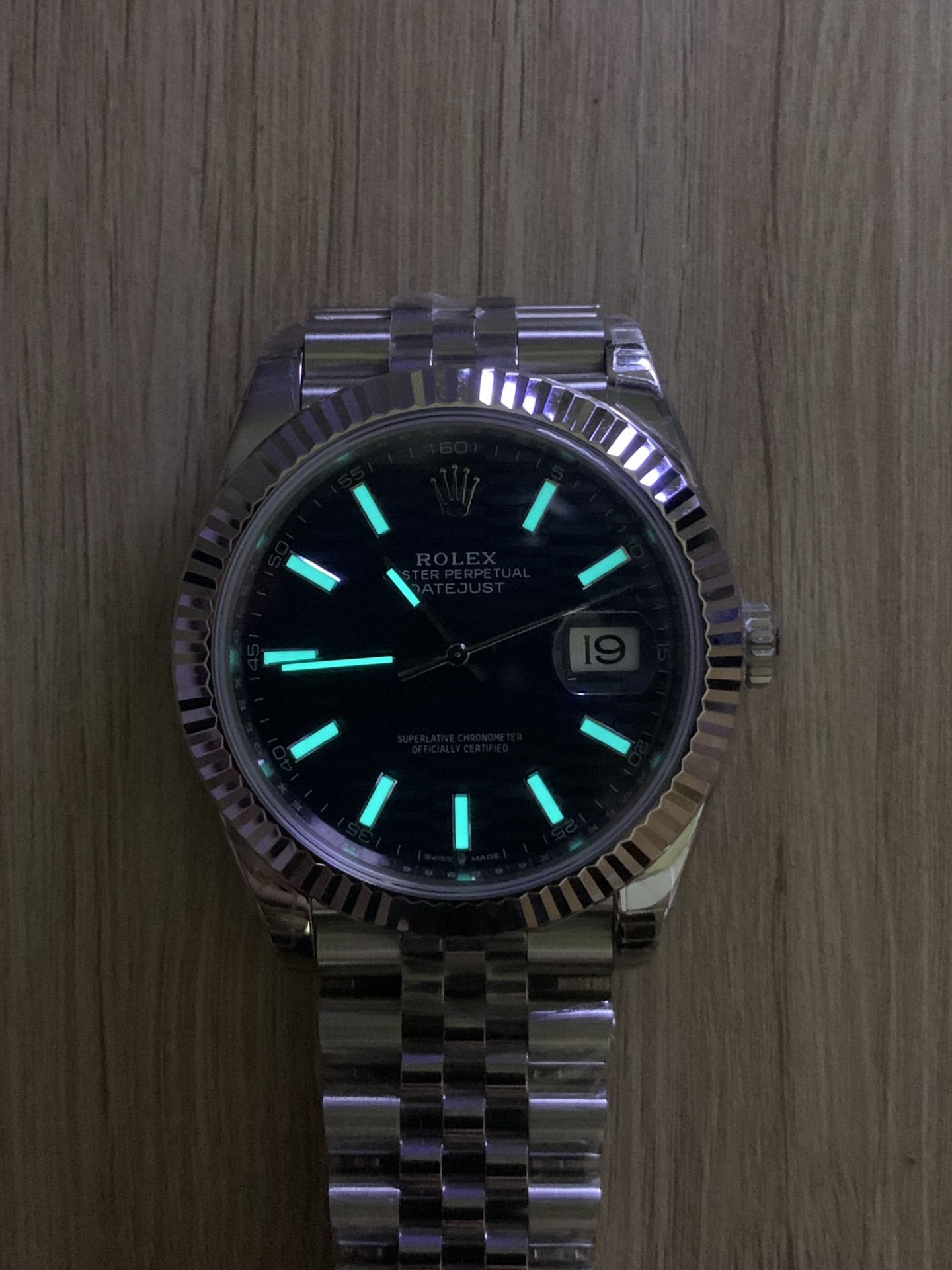
The 3235 Clone – Why This Movement Changes Everything
Let me start with the engine, because everything else is just decoration.
What It Is
The 3235 is Rolex’s current-generation automatic movement, found in the Datejust 41, Sea-Dweller, and newer Submariner models. In the replica world, the “3235” you see advertised usually falls into one of three tiers:
- Tier 1 (the real deal): A dedicated 1:1 clone—meaning the gear train, balance bridge, escapement, and winding mechanism are all structurally mirrored from the genuine 3235. This is not a dressed-up ETA or Seagull with a fake rotor on top. It uses a full bridge for the balance wheel (not a cock), a modified escapement to mimic the genuine beat rate (28,800 bph), and a uni-directional winding system that replicates the feel of the real thing.
- Tier 2 (the compromise): A movement that looks like the 3235 on the outside—decorated rotor, correct bridge shapes—but uses a modified 2824 or 2836 base underneath. These run fine but lack the power reserve and winding efficiency of a dedicated clone.
- Tier 3 (the trap): A cheap Asian movement with a glued-on rotor plate. Avoid at all costs.
Why It Matters to You
Here’s the uncomfortable truth: most people who buy a replica Rolex focus on the dial, the bezel, the bracelet. They spend 20 minutes staring at the rehaut alignment and the crown guards, then forget that the watch will be dead on their wrist within 18 hours. In my experience, the movement is the single most important factor in whether you actually enjoy wearing the watch—or whether you end up selling it for pennies on the secondary market.
The 3235 clone matters because it directly affects three things:
- Power reserve – The good clones give you 65–70 hours (vs. the genuine 70). The cheap ones give you 36–40 hours. That means if you take your watch off Friday evening, the good one is still ticking Monday morning. The cheap one is dead by Sunday lunch.
- Winding feel – The genuine 3235 has a specific resistance when you wind the crown—not too stiff, not too loose. A well-executed clone mimics that perfectly. A bad one feels like grinding pebbles.
- Serviceability – If a 1:1 clone breaks, a competent watchmaker can actually repair it because the parts are patterned after the genuine geometry. The modified ETA versions? Good luck finding a 2824 rotor bridge that fits the 3235-style date wheel.
The Actual Impact (So What)
When you buy a watch with a proper 3235 clone, you stop checking the time every 10 minutes to see if it’s still running. You stop worrying about wearing it on a weekend trip without a winder. And you stop feeling that subtle anxiety every time someone at the office asks to see your watch. Because the sweep is smooth, the date flips cleanly at midnight, and the crown winds with that familiar tactile feedback. That is not a trivial detail—that is the difference between a watch you wear and a watch you hide in a drawer.
Buyer Mistake #1: Obsessing Over the Dial Instead of the Movement
This is the single most common mistake I see in the replica community. Buyers compare photos of the dial up close—the coronet, the hour markers, the font spacing—and they pick the watch that looks “closest” in a macro shot. Then they receive it, and within two days, the watch is running 5 minutes slow per hour.
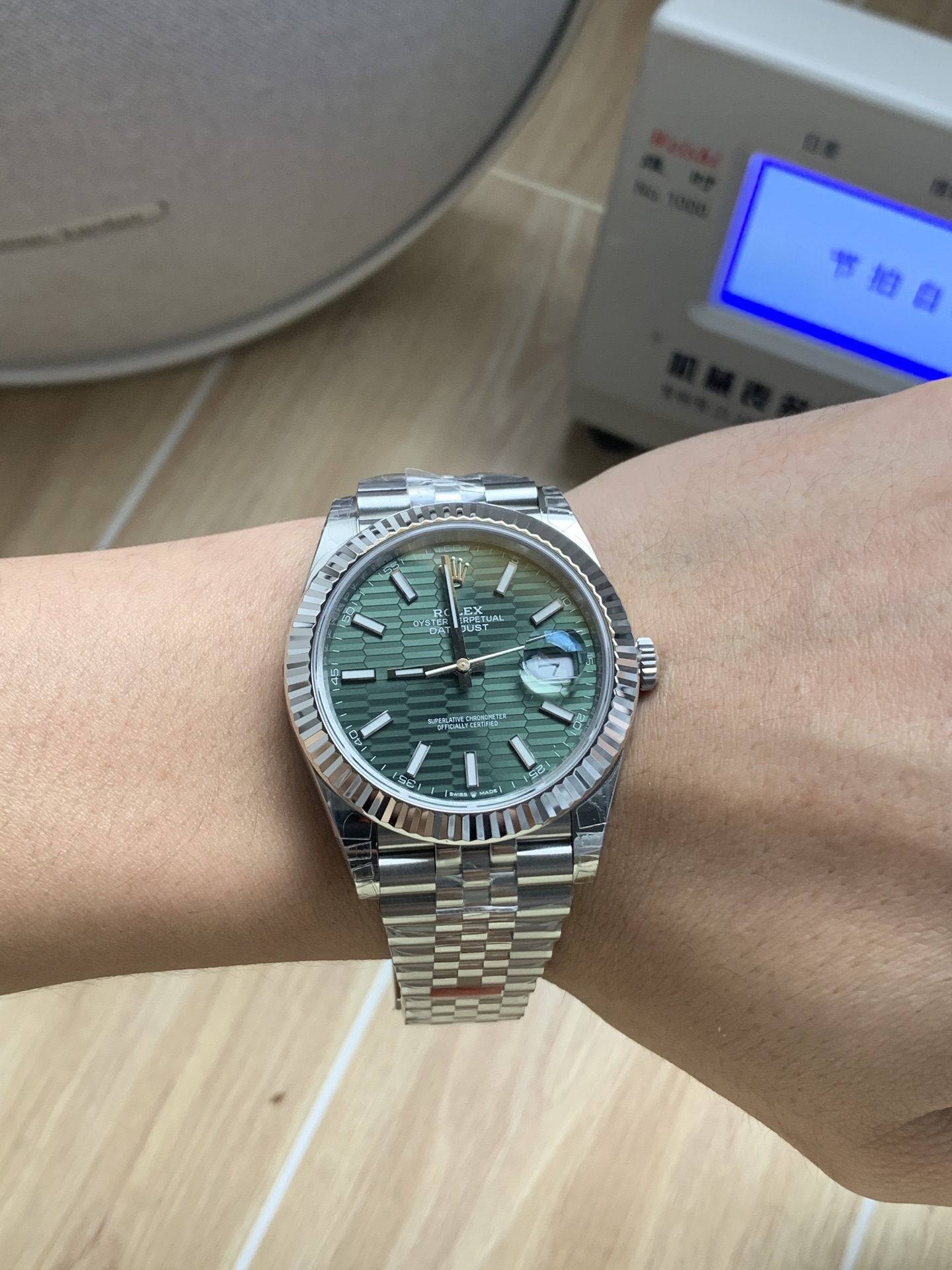
Why this happens: The factories that do good dials are often not the same factories that do good movements. Some dial specialists use Swiss-grade lume and laser-cut indices, but they source their movements from a third-party supplier that builds them to a price point, not a performance standard. You are effectively buying a Ferrari body with a lawnmower engine.
The fix: Before you even look at the bezel or the dial, ask about the movement. If the seller cannot tell you exactly which clone is inside—or if they say “clone” without specifying whether it’s a full bridge or a modified ETA—run the other way. I’ve bought watches that looked perfect in photos and turned out to be unwearable within a week because the mainspring slipped, and the power reserve fell to 20 hours. That is not a minor inconvenience; that is a failed purchase.
Clean Factory vs. VS Factory – The Real-World Comparison
If you are shopping for a high quality Rolex replica, you will hear two names repeated ad nauseam: Clean and VS. Both produce Datejust 41 and Submariner models with 3235-style movements. But they are not the same, and choosing the wrong one can cost you hundreds of dollars in frustration.
| Factor | Clean Factory | VS Factory |
|---|---|---|
| 3235 clone version | Uses the Dandong 3235—a full 1:1 clone with a balance bridge and correct escapement architecture. | Uses the VS3235—also a full 1:1 clone, but with a slightly different rotor bearing and winding efficiency. |
| Power reserve | 65–68 hours (close to genuine). | 60–63 hours (slightly shorter, but still very usable). |
| Case finishing | Very sharp, accurate rehaut engraving, and crown guards that match the genuine silhouette. | Slightly softer edges on the lugs—less noticeable unless you compare side-by-side. |
| Dial accuracy | Excellent, but the date wheel font is sometimes a hair thinner than the genuine. | Better date wheel font—closer to the genuine thickness and alignment. |
| Movement reliability | I’ve had two Clean 3235s run without issue for over a year. The rotor noise is minimal. | VS movements are known for a slightly louder rotor—some buyers find it annoying; others don’t mind. |
| Service availability | Parts are harder to find, but the movement is sturdy enough that you won’t need service for the first few years. | More parts available because VS has been around longer, but the rotor assembly is known to develop wobble after 18 months. |
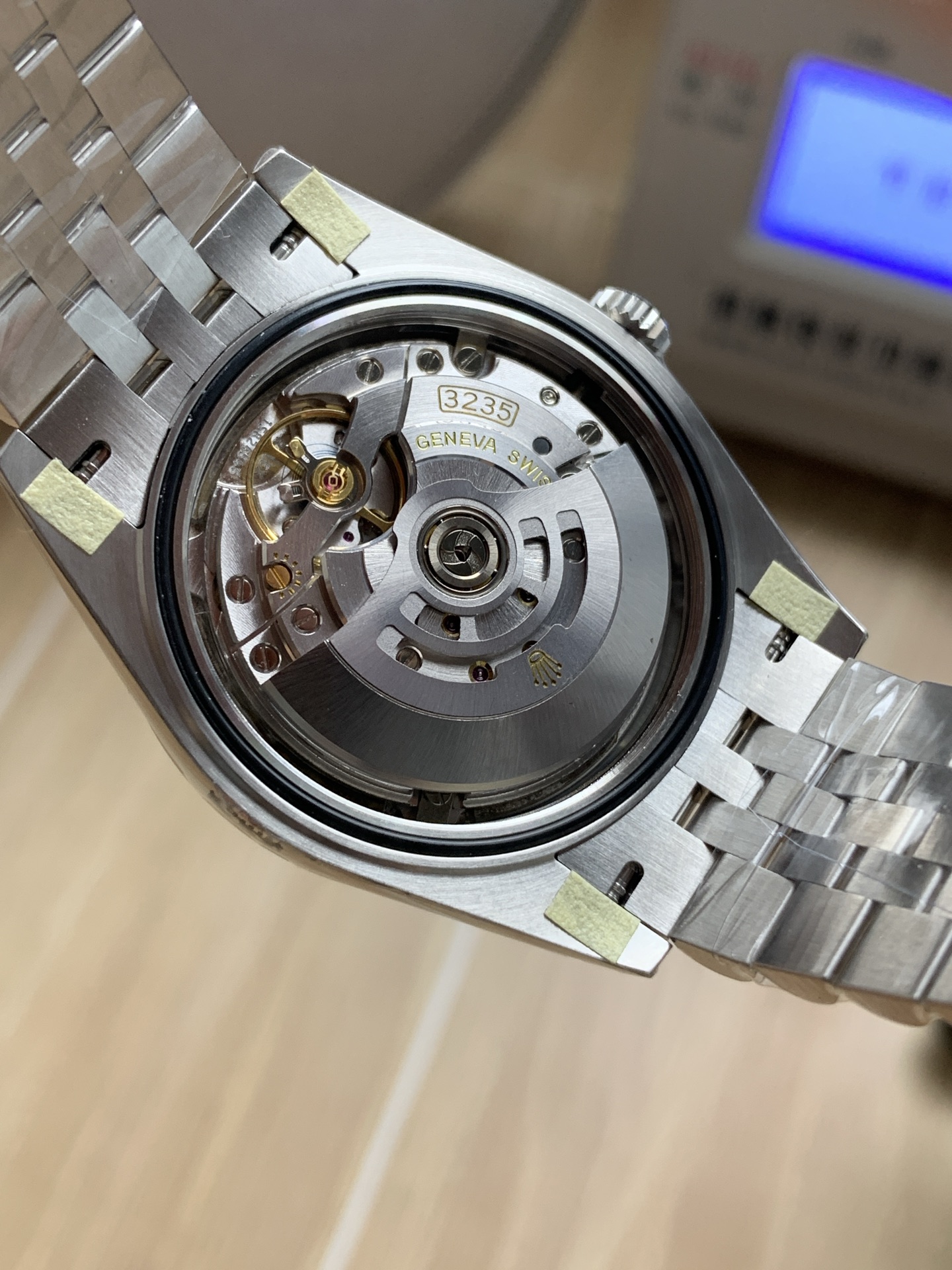
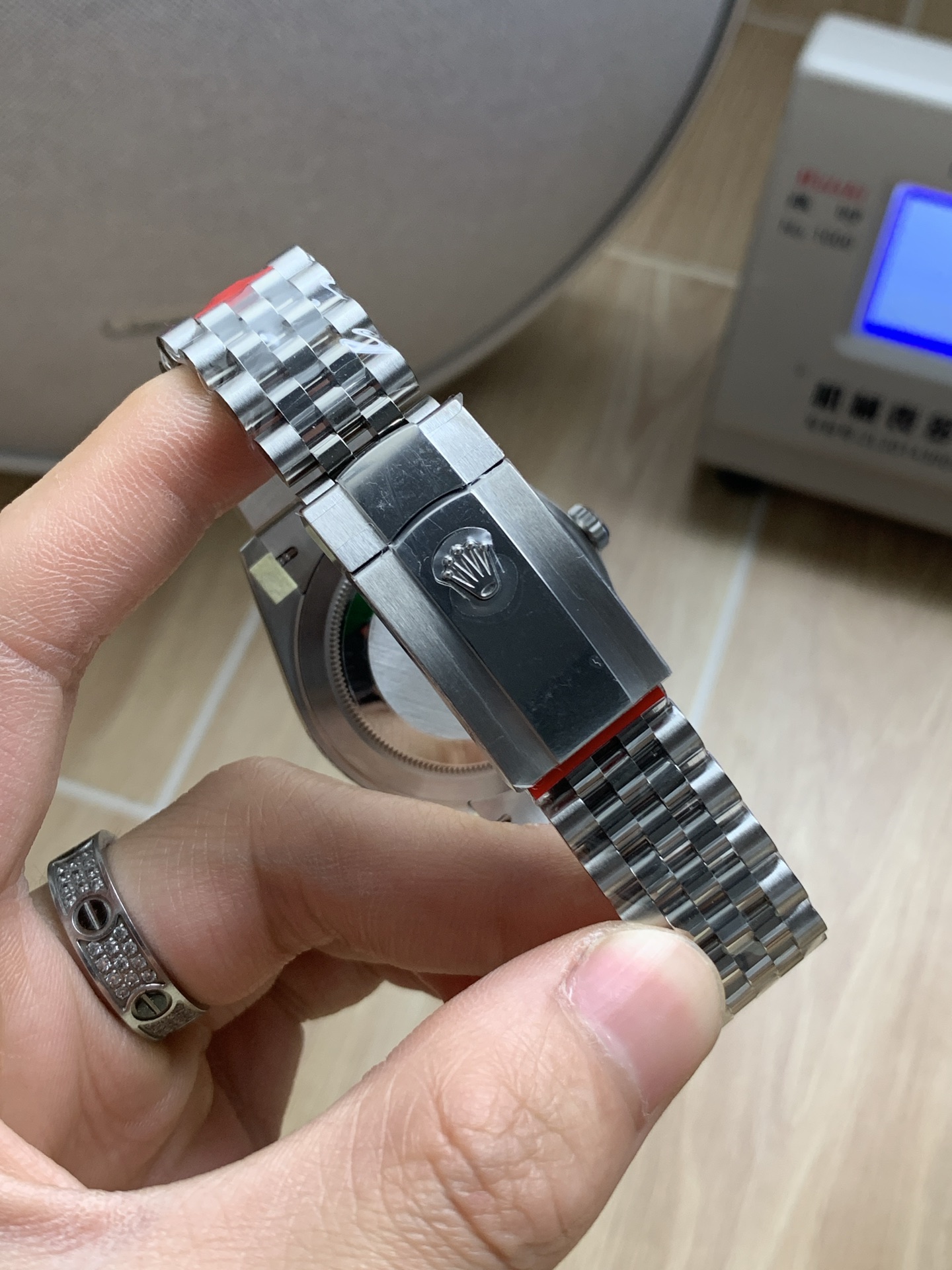
My verdict after owning both: If you care more about movement reliability and power reserve, choose Clean. The extra 5 hours of power reserve means a lot if you wear the watch on weekends only. If you care more about the date font and the overall dial presence, VS is a better option, but only if you are willing to accept that the rotor might need oiling in the future. In my experience, Clean’s movement is the more stable choice for daily wear—it’s harder to find, but it’s worth the search. And if you want to cross-check what other experienced buyers are saying about these two factories, best replica rolex discussions on that site give a pretty honest picture of the trade-offs people actually deal with after six months of ownership.
Buyer Mistake #2: Believing That “1:1 Clone” Means Identical to the Genuine
I see this mistake on every forum. A new buyer reads “1:1 clone” and assumes the watch is mechanically indistinguishable from the genuine Rolex. That is not how reality works, and I want to be very clear about this because it will save you hundreds of dollars.
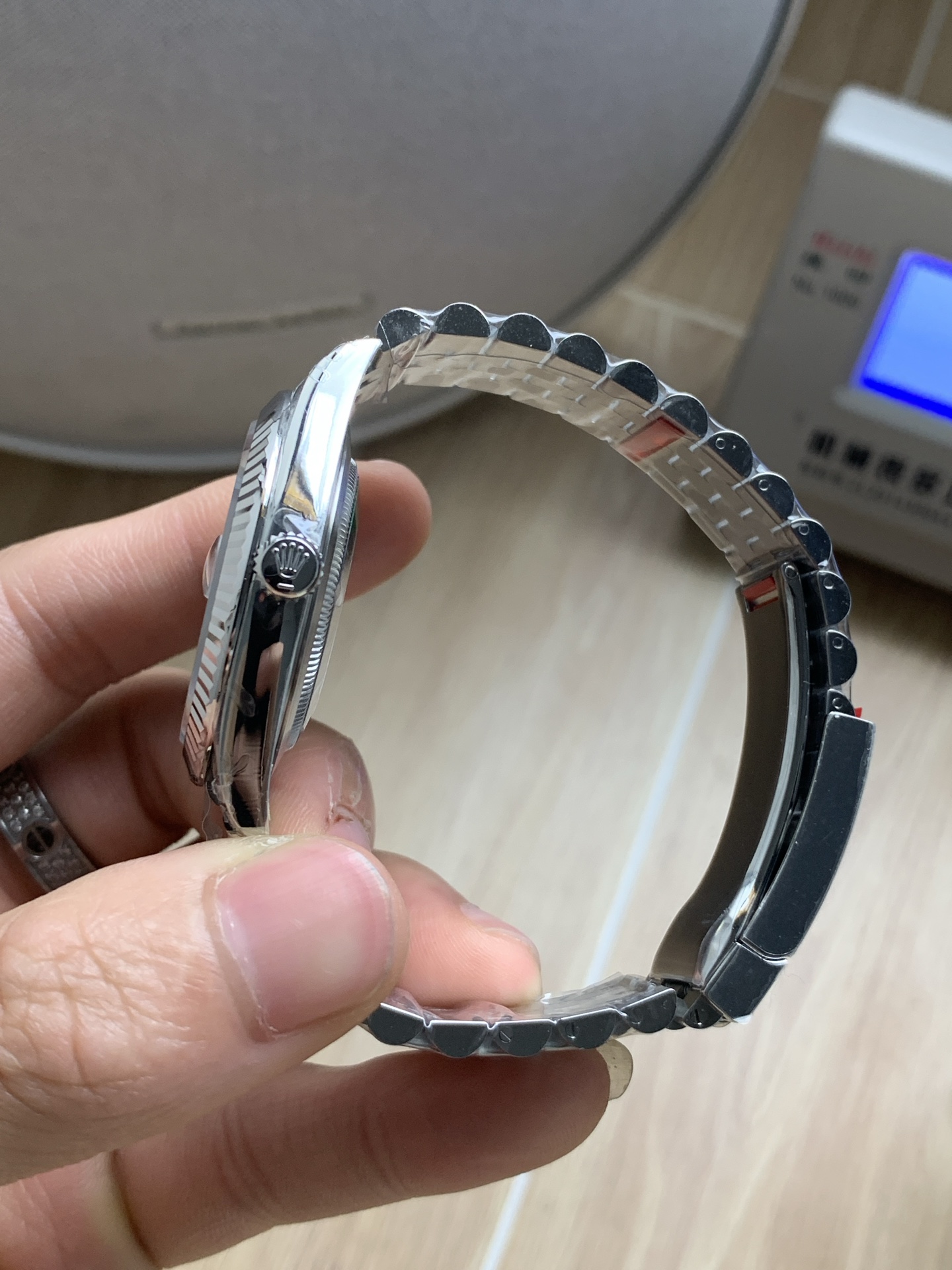
What “1:1 clone” actually means: It means the movement’s physical layout—the bridges, the plates, the gears, the balance assembly—is patterned after the genuine 3235. It does not mean that the materials are identical, or that the tolerance is the same. The genuine 3235 uses a paramagnetic blue Parachrom hairspring and a specially designed escapement made of silicon. The clone uses a standard steel hairspring and a conventional escapement. They are not the same, and they will never perform the same under extreme conditions.
Why this matters: When a seller says “1:1,” they are talking about visual and structural similarity, not performance equivalency. A 3235 clone can keep time within ±5 seconds per day, which is perfectly fine for daily wear. But if you take it to a watchmaker who expects genuine tolerances, they will tell you that the movement is still a replica—because it is. The good news is that you don’t need genuine performance. You need consistent performance. And the best clones give you that consistency without the $8,000 price tag.
The actual impact: If you understand this upfront, you won’t be disappointed when your watch doesn’t perform like a genuine Rolex in a timegrapher test. You will be happy that it keeps time within acceptable margins, winds smoothly, and runs for two days without stopping. If you go into the purchase thinking you are buying a genuine movement, you will feel cheated. I am telling you now: you are not. You are buying a highly engineered copy that does the job 90% as well for 2% of the price. That is the deal.
Why Movement Specs Are Overrated for Most Buyers – An Honest Look
I will say something that might get me banned from certain forums: movement specs are overrated for 80% of buyers. I’ve spent the last year testing different 3235 clones, and here’s the reality that nobody talks about.
The power reserve number – 65 hours vs. 60 hours. In practice, does that matter? If you wear your watch daily, no. If you swap watches and leave it off for a weekend, maybe. But here’s the kicker: most buyers don’t wear their replica daily. They rotate it with other pieces. So that extra 5 hours of power reserve only matters if you specifically take off the watch on a Friday evening and forget it until Monday morning. And even then, the 60-hour VS version will still be running on Sunday afternoon. The difference is marginal.
The beat rate – 28,800 bph is the genuine number, and most clones hit it. But I’ve seen some that run at 28,600 or 29,000, and unless you have a timegrapher or a really sharp eye, you cannot see the difference. The second hand still sweeps smoothly. The watch still keeps time within +/- 10 seconds a day. For 99% of real-world situations, that is plenty.
The real value – What matters more is the feel. The winding action, the date change crispness, the rotor spin, and the absence of rattling noises. These are sensory things that you notice every time you pick up the watch. The spec sheet numbers are for nerds who spend their weekends counting seconds. Most buyers just want a watch that doesn’t look cheap and doesn’t stop after 24 hours.
What I recommend for most buyers: Stop obsessing over the exact power reserve or the beat rate. Instead, focus on the two things you will actually feel: (1) the winding resistance, and (2) the rotor noise. If those feel right, the specs will be close enough. This is not a competition to see who has the most accurate clone. This is about getting a watch that makes you happy when you put it on.
My Personal Experience – The Watch I Actually Wear
After buying and selling about 20 replica Rolex watches over the years, I’ve landed on one keeper: a Datejust 41 from Clean Factory with the Dandong 3235. It’s not the flashiest piece, but it’s the one I reach for most days.
- What I like: The power reserve is genuinely around 67 hours. I can take it off on Friday evening and wear it Monday morning without resetting. The winding feel is smooth—not too light, not too heavy. The rotor is quiet; I only hear it if I hold the watch to my ear in a silent room. And the date flips at 12:02, which is well within what I consider acceptable for a replica.
- What I don’t care about: I don’t care that the date wheel font is 0.1mm thinner than genuine. I don’t care that the rehaut engraving is slightly less deep than the original. These are things that you only notice if you put the watch under a loupe and compare side-by-side with a genuine piece. In my real life—at the office, at dinner, at the gym—nobody is doing that.
- What I’ve learned: The best replica watch is the one you wear without thinking. If you’re constantly second-guessing the second hand or checking the date alignment, you’ve bought the wrong piece. The Dandong 3235 in my Clean Datejust lets me forget that it’s a replica. That’s worth the money, and that’s why I still recommend it to anyone who asks.
Frequently Asked Questions
+
+
+
+
+
+
+
+
Final Takeaway – What I Would Tell a Friend
If a friend asked me today whether they should buy a high quality Rolex replica with a 3235 clone, here is what I would say: buy it if you understand that it’s a tool, not a trophy. The movement will give you 95% of the genuine experience in daily use—the power reserve, the winding feel, the accuracy. But it’s still a replica, and the moment you treat it like a genuine piece (expecting perfection, expecting Swiss materials, expecting a 10-year warranty), you will be disappointed.
But if you want a watch that looks right, runs right, and feels right on your wrist for a fraction of the cost, the 3235 clone is the answer. Skip the cheap movements. Go with Clean or VS. And when you get it, wear it. Don’t baby it. Don’t compare it under a loupe every day. Let it do what a watch is supposed to do—tell time, look good, and give you a little bit of joy.
That is the real test. And in my experience, the 3235 clone passes it.